
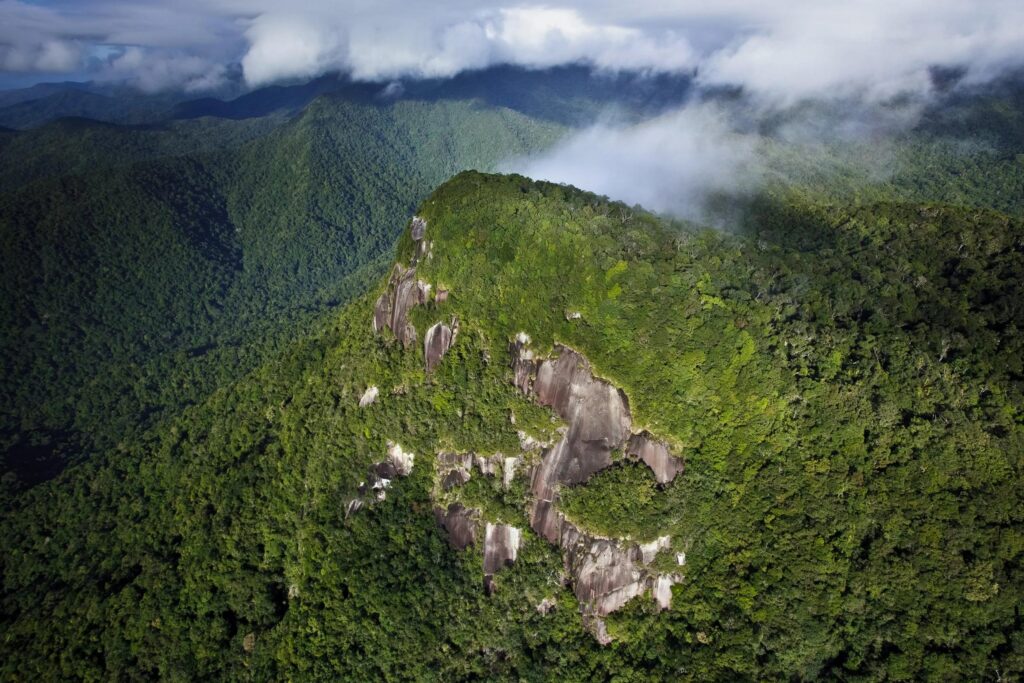
Understanding the links between landscapes and life
Life evolves on a changing planet. Mountains rise, rivers shift, coastlines advance and retreat, and climates transform. These processes continually reshape habitats, create barriers and migration corridors, and influence where species can survive, disperse and diversify.
Our research investigates how landscape evolution influences biological evolution, from the emergence of biodiversity over geological time to the movement and expansion of animal and human populations. By combining landscape evolution modelling, palaeogeographic reconstructions and ecological and evolutionary simulations, we explore how changing topography, drainage networks, climate and environmental connectivity shape the history of life.
From the evolution of global biodiversity patterns to the dispersal of early humans across Southeast Asia and Sahul, our work reveals how Earth’s changing landscapes have influenced the distribution, diversification and evolution of species.
Research themes
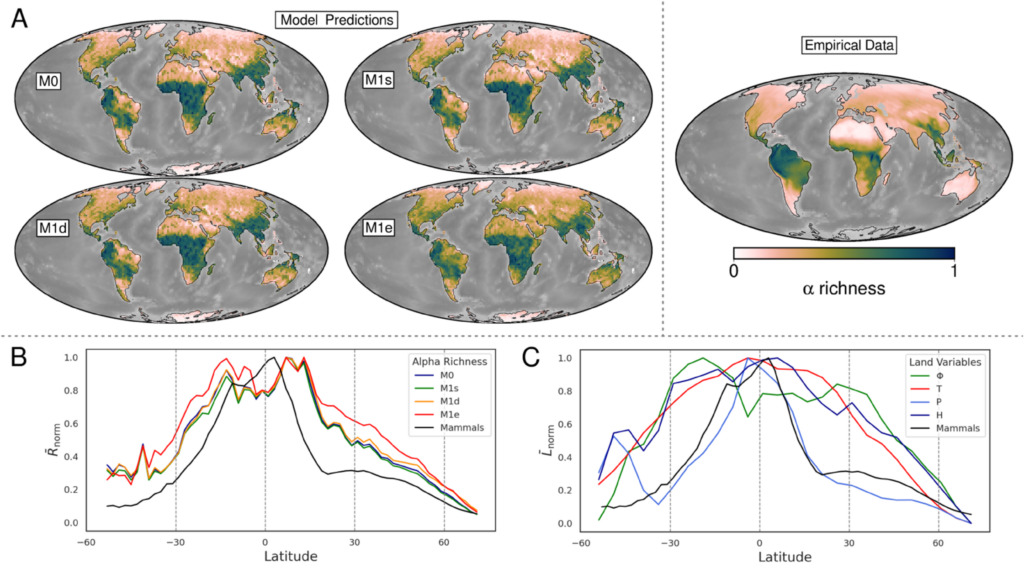
Landscapes as engines of biodiversity
How do tectonics, topographic change and climate shape biodiversity patterns and the diversification of species over millions of years? We use mechanistic eco-evolutionary models to investigate the origins of global biodiversity gradients and the role of dynamic landscapes in shaping evolutionary history.
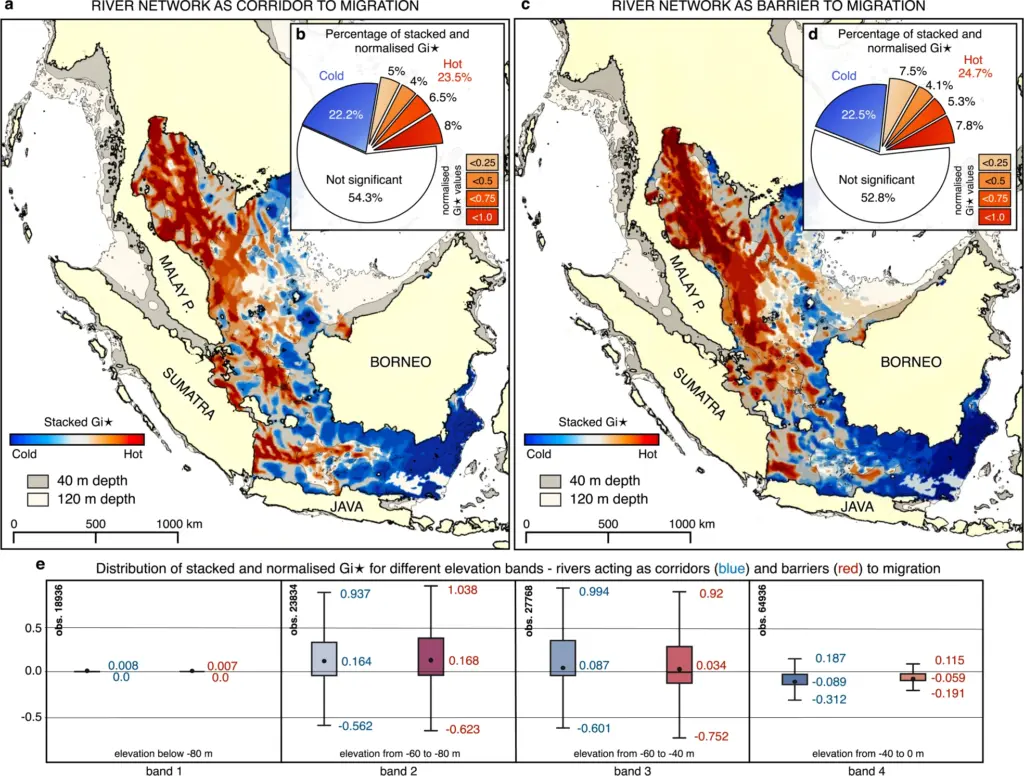
Changing landscapes and species dispersal
Rivers, mountains, coastlines and changing sea levels influence how species move across the planet. By reconstructing past landscapes and habitat connectivity, we investigate how environmental change creates migration corridors, isolates populations and reshapes biogeographic distributions.
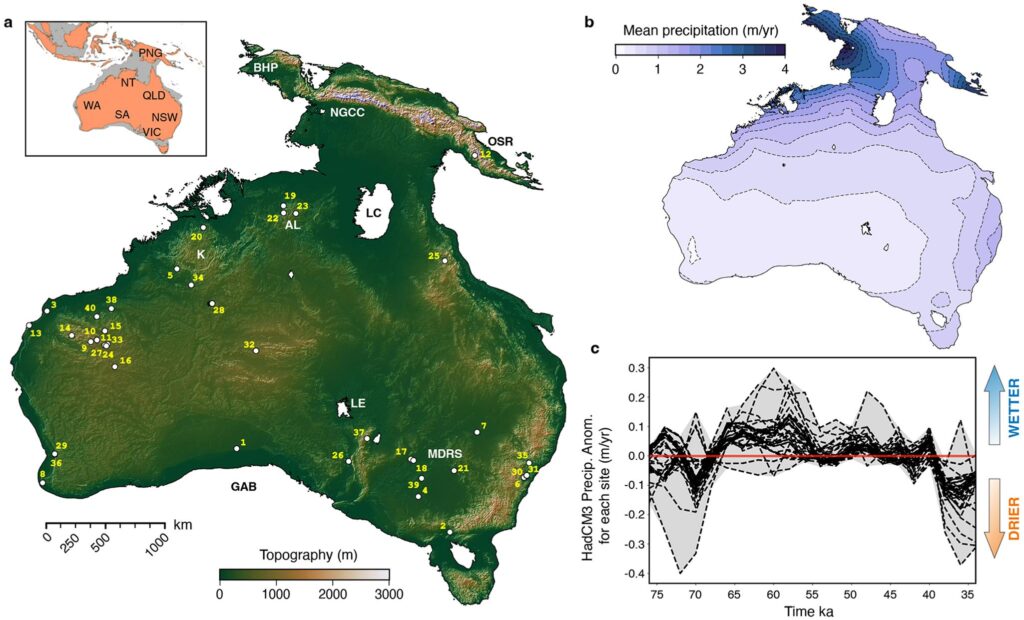
Landscape evolution and human origins
How did changing environments influence the movement and expansion of early humans? We combine landscape evolution models with human mobility and foraging simulations to reconstruct migration pathways, explore the first peopling of continents and identify landscapes that may preserve evidence of past human occupation.