News & updates

News

Research highlights and updates from QuESt Lab.

18 Nov 2026

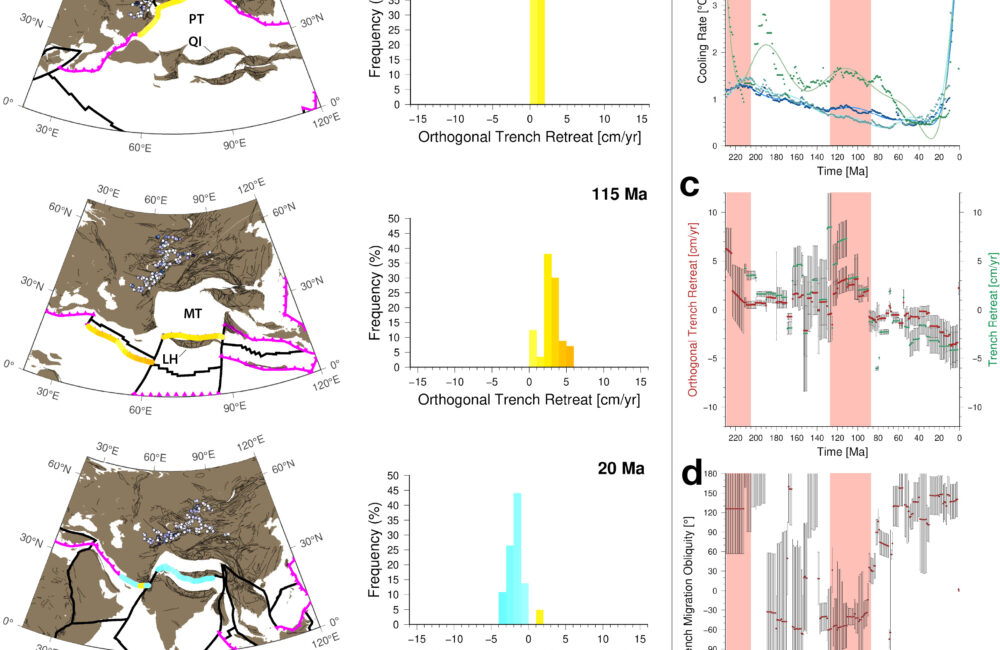
A mighty ancient ocean shaped Central Asia’s landscape

We uncovered evidence that the vanished Tethys Ocean may have sculpted Central Asia’s mountainous landscape during the dinosaur era. By integrating thermochronology data recording long-term erosion with numerical plate tectonic modelling we showed that periods of rapid mountain formation in Central Asia correspond to period of significant change in subduction dynamics along southern Eurasia. Surprisingly, climate and mantle processes played only a minor role. This novel workflow can now be applied to other mountain belts around the planet in efforts to better understand the processes that shape Earth’s topography. Published in Communications Earth & Environment.
Adelaide University news →

3 Dec 2025

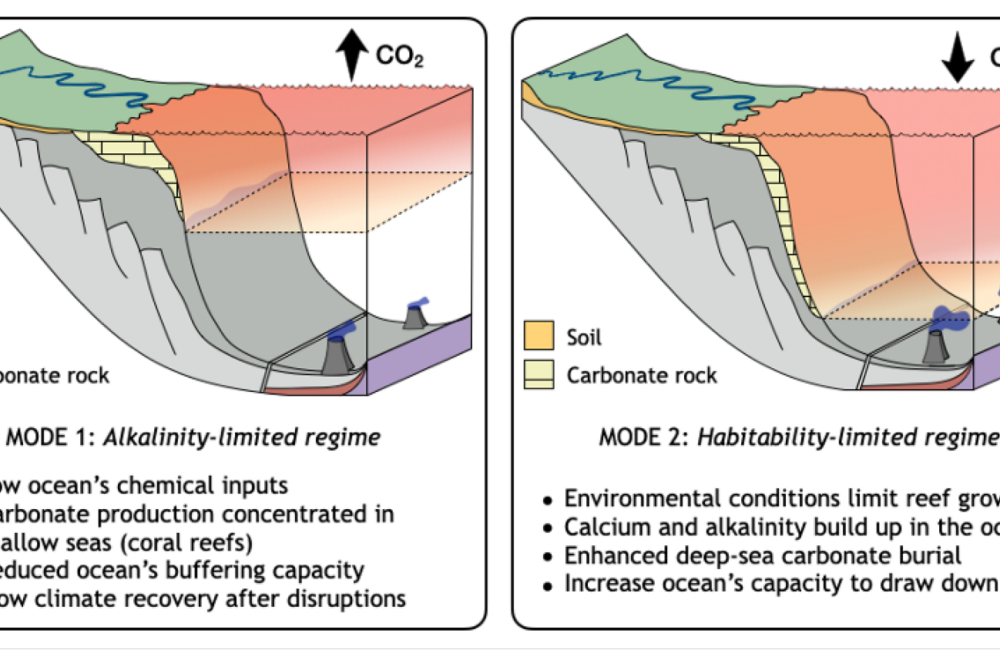
Coral reefs have orchestrated Earth’s climate for 250 million years

We show that the rise and fall of reefs since the Triassic shaped ocean alkalinity and the pace of recovery from past carbon dioxide shocks, with lessons for today’s reef decline.

Read on The Conversation → · University of Sydney news →

1 May 2024

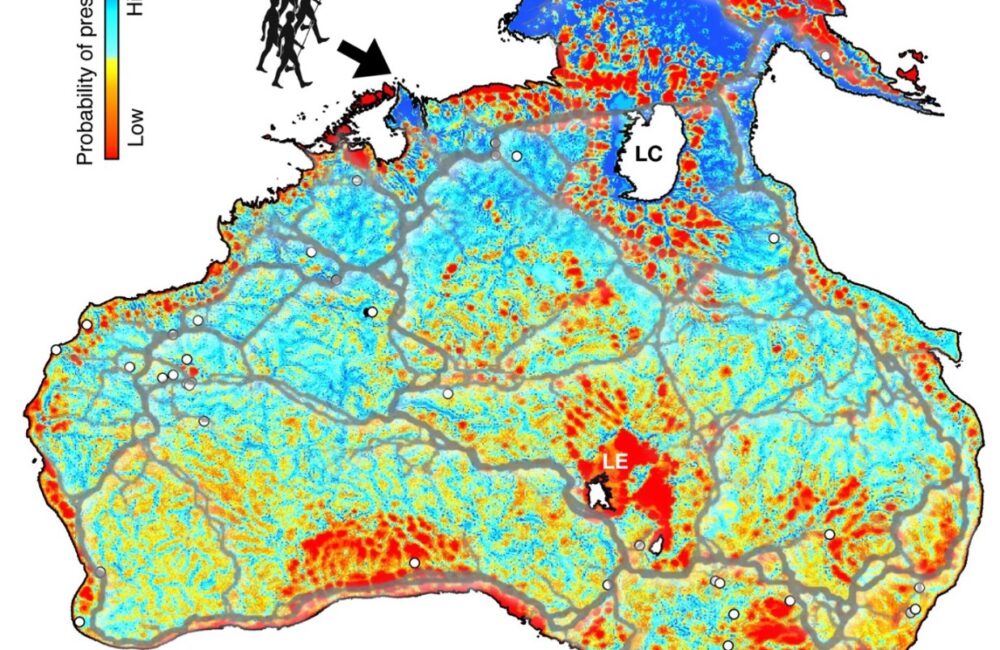
We reconstructed the landscapes that greeted the first humans in Australia

Combining a landscape evolution model with thousands of migration simulations, we show how the first peoples spread across Sahul about 65,000 years ago, following rivers and shifting coastlines in a “radiating wave”. Published in Nature Communications.

Read on The Conversation → · University of Sydney news →

29 Nov 2023

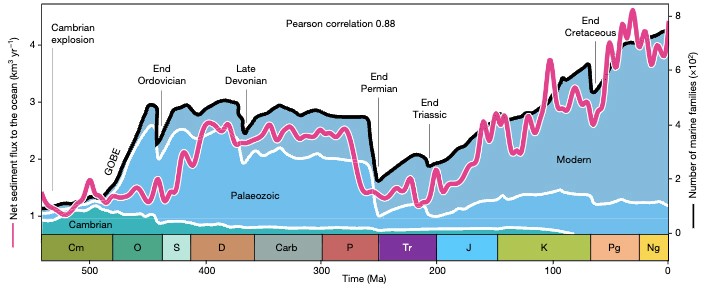
How past landscapes drove the evolution of life

A new theory ties 540 million years of biodiversity to pulses of sediment controlled by past landscapes. More sediment reaching the oceans coincides with more marine diversity, and land plants diversified as thicker, nutrient-rich soils spread. Published in Nature.

Read on The Conversation → · University of Sydney news →

3 Mar 2023

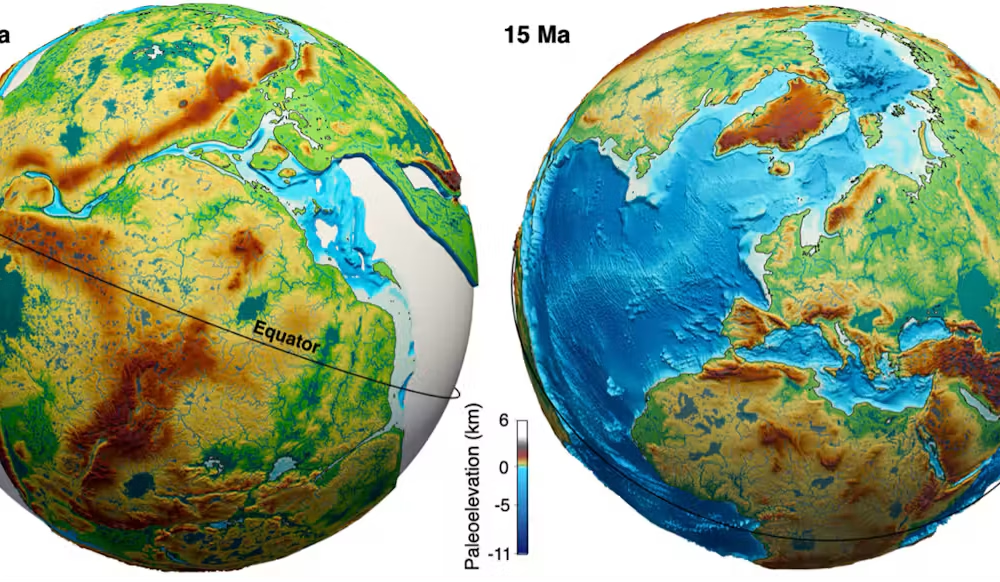
The most detailed geological model of Earth’s past 100 million years

The first dynamic global model of Earth’s surface over the past 100 million years, at 10 km resolution, linking plate tectonics and climate to erosion, rivers and sediment transport. Published in Science, with outputs openly available.

Read on The Conversation → · University of Sydney news →