EarthLab is a major collaborative research program developing integrated models of Earth system change across deep time, linking the solid Earth with surface processes, climate and environmental systems.
Sediment hosted Copper Systems
Tracing the journey from mineralised source regions to sedimentary copper deposits.
Sediment-hosted copper deposits are the product of complex interactions between tectonics, landscape evolution, erosion and sedimentary basin development. Our research investigates how these processes control the generation, transport and accumulation of metal-bearing sediments, and the evolution of the basins in which copper deposits form.
By combining palaeogeographic reconstructions with landscape evolution and sediment-routing models, we reconstruct ancient source-to-sink systems to investigate sediment provenance, basin connectivity and the geological conditions that favour copper mineralisation. This provides a deep-time perspective on the evolution of sedimentary copper systems and helps develop new approaches to understanding their distribution and resource potential.
Featured Research
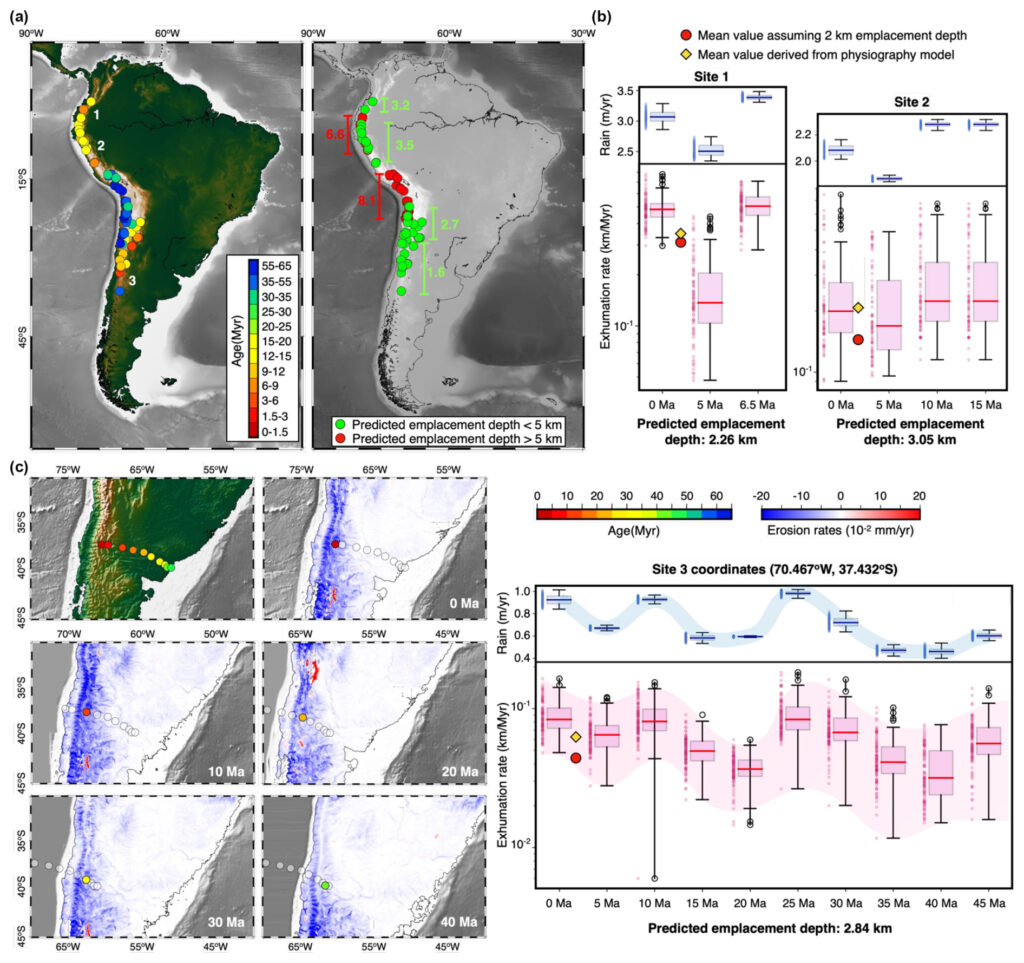
The roles of surface processes in porphyry copper deposit preservation
A global modelling framework exploring how landscape evolution, erosion and burial influence the preservation of porphyry copper deposits, helping identify regions where undiscovered resources may remain concealed.
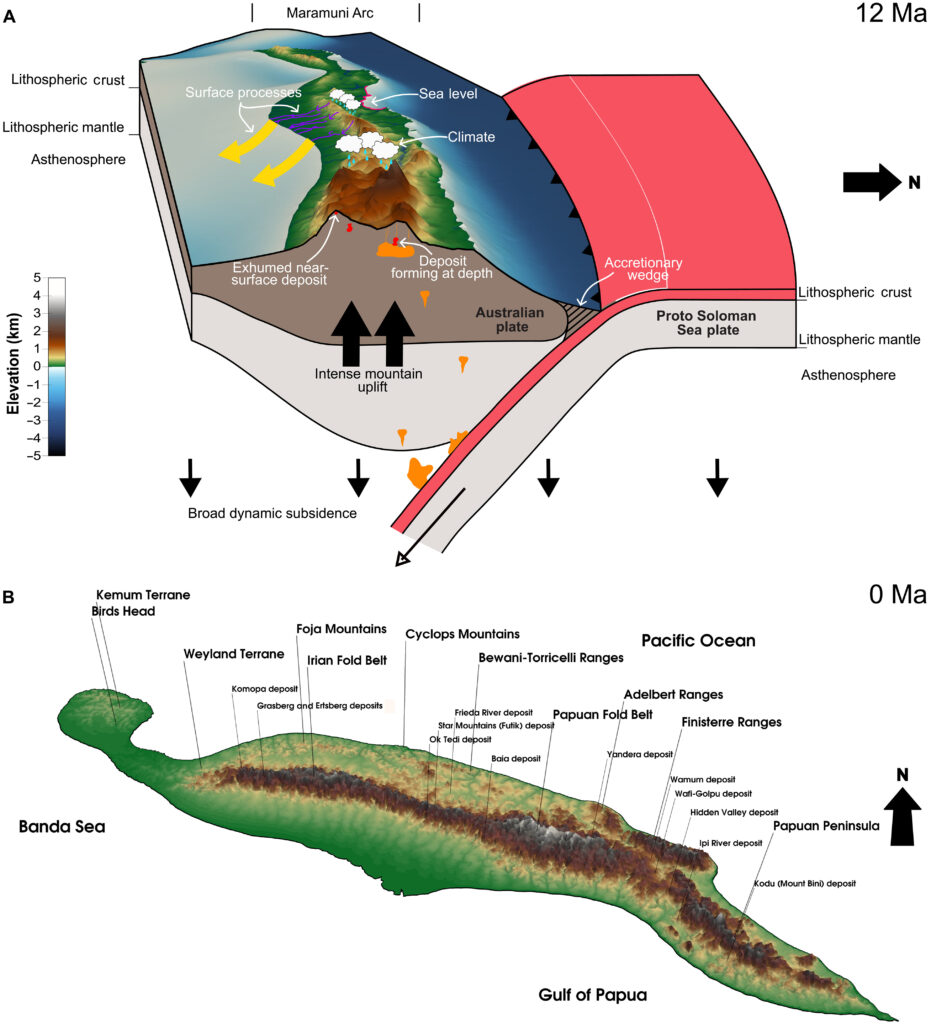
Predicting the preservation of buried ore deposits using deep-time landscape evolution modelling
Investigating how climate, erosion and tectonic processes influence the exposure and preservation of porphyry copper deposits formed along subduction zones over the deep time.
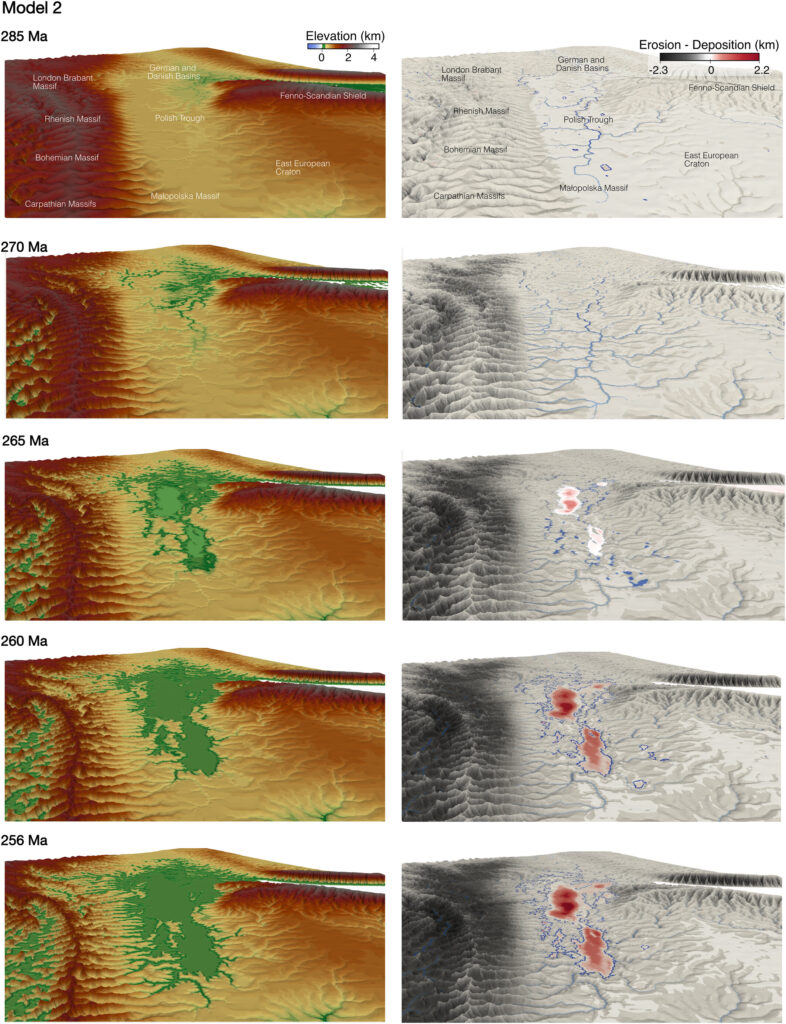
Evolution and provenance of the Polish Rotliegend in the Southern Permian Basin
Reconstruct the Permian evolution of the Polish Basin, quantify sediment sources and investigate the copper potential of the Upper Rotliegend red beds, providing new constraints on the source-to-sink evolution of a major sediment-hosted copper system.